
What Are Aronia Berries?
Aronia berries, commonly known as chokeberries, are the fruits ofAronia melanocarpa, a deciduous shrub in the rose family (Rosaceae).
Native to the eastern United States and eastern Canada, aronia berries have grown in North America for centuries before later being introduced to Europe for cultivation.1Today, they are gaining renewed attention in their native range as more people discover this unique berry and its many health benefits and culinary uses.
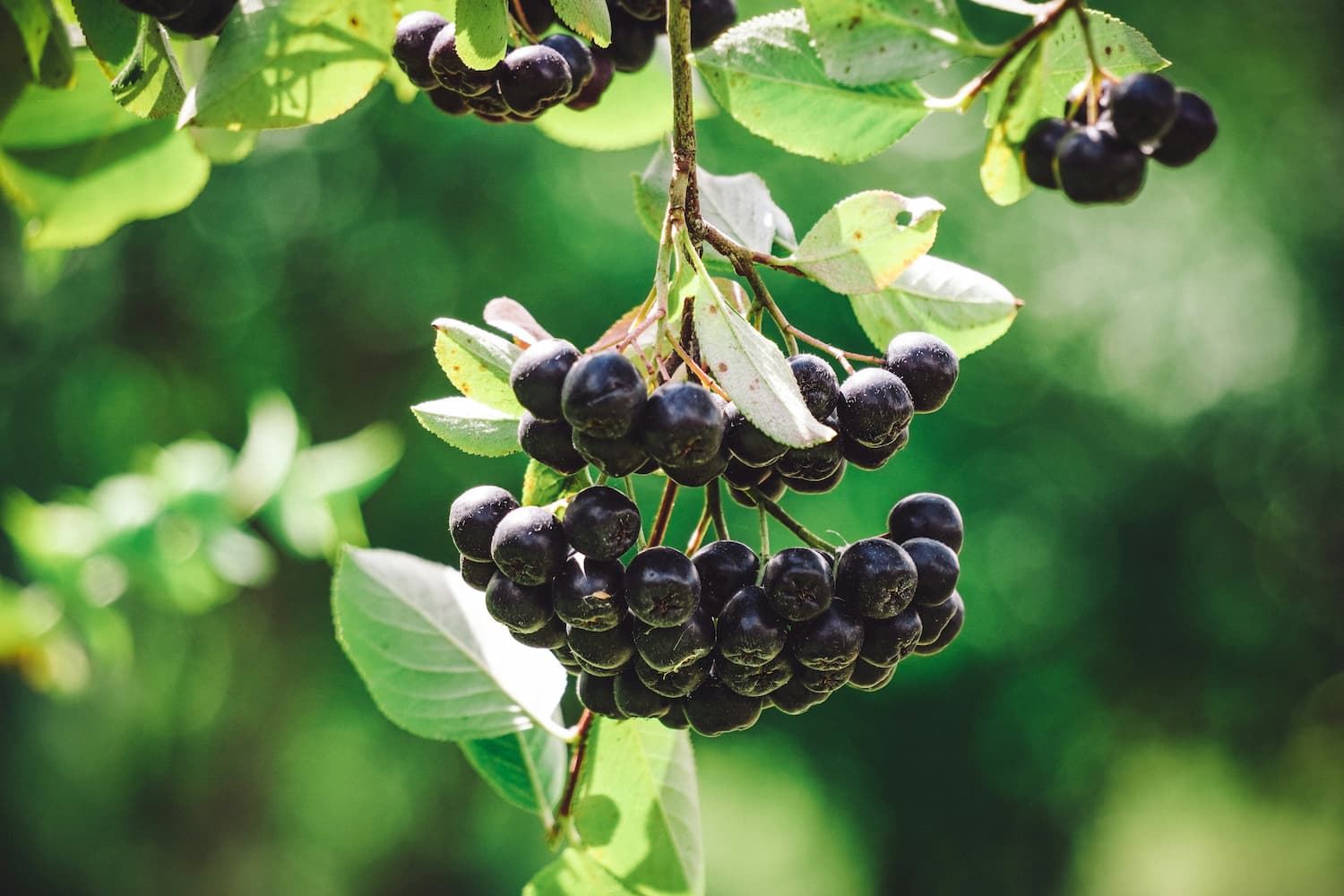
The name "aronia berry" is now more commonly used than "chokeberry," although both names refer to the same group of plants. Three main forms are recognized in scientific literature1:
- Aronia melanocarpa – black chokeberry
- Aronia arbutifolia – red chokeberry
- Aronia prunifolia – an intermediate form that has been described as either a distinct species, a variety, or a hybrid of the other two
Commercial fruit production is based primarily on Aronia melanocarpa.
A Native North American Plant
Aronia is one of the few berry crops that is truly native to North America. While many popular fruits were introduced from Europe or Asia, black chokeberry naturally occurs in the eastern regions of the United States and Canada.1
Around 1900, aronia berries were introduced to Europe, where plant breeders began selecting improved cultivars with larger fruit and ornamental qualities. By the mid-20th century it had become an established cultivated crop in parts of Eastern Europe. Today, several well-known cultivars—including 'Nero', 'Viking', and 'Rubina'—trace their origins to these breeding programs.2
The Aronia Plant
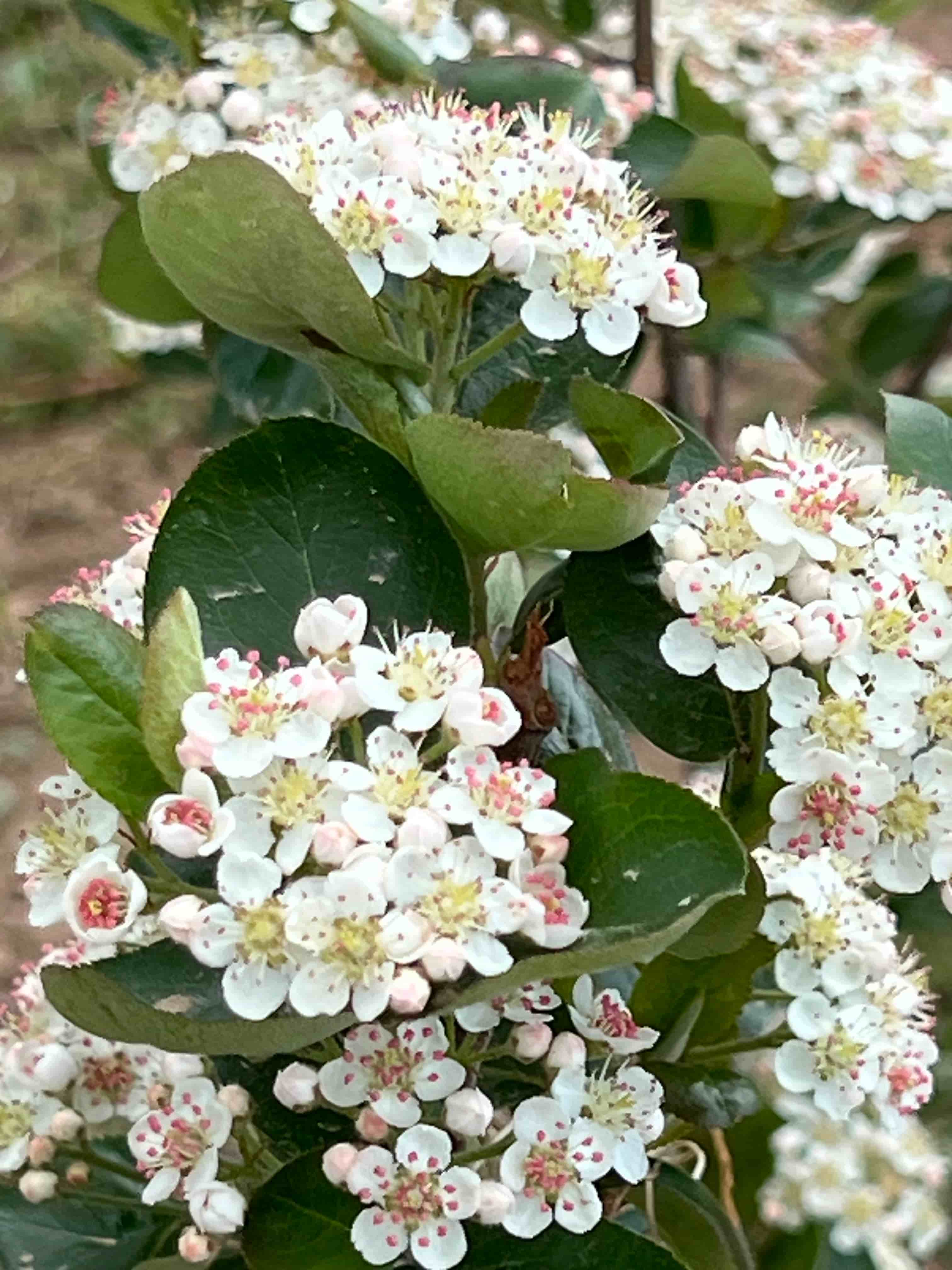
Aronia grows as a hardy shrub reaching approximately 2 to 3 meters (6½–10 feet) in height. During May and June, the plants produce clusters of roughly 30 small white flowers that later develop into berries.1
Aronia berries typically ripen during late summer, with commercial harvest generally taking place between August and September. Fully ripe berries are a dark blackish purple in color.
What Do Aronia Berries Taste Like?
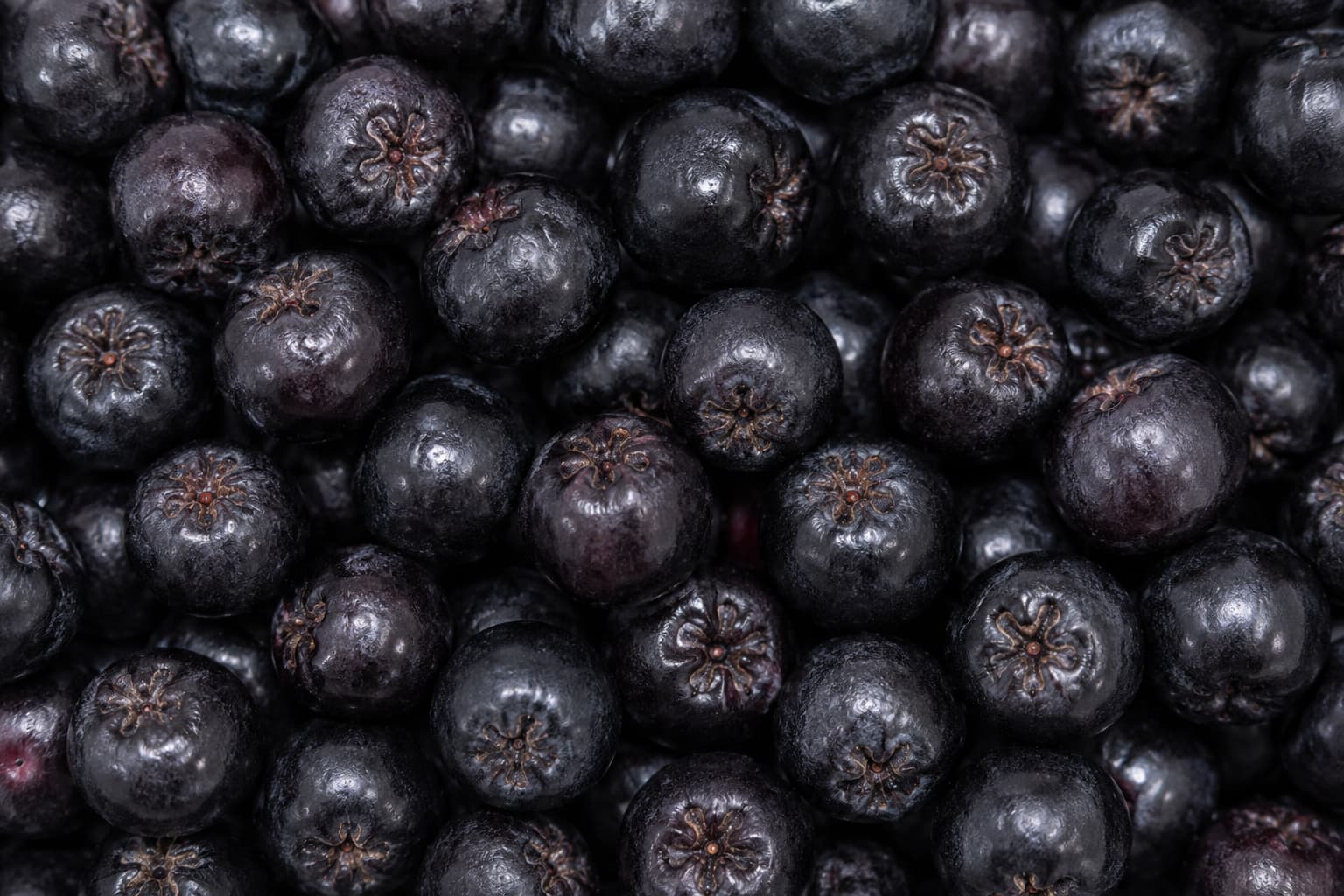
Fresh aronia berries have a distinctive flavor that sets them apart from sweeter berries like blueberries or raspberries. The raw fruit has a harsh, sour, and noticeably astringent taste.
Because of this bold flavor, aronia berries are most commonly enjoyed after processing rather than eaten fresh.
A Berry of Growing Interest
Although once considered a relatively little-known fruit, aronia berries have become an increasingly important crop because of their adaptability, commercial uses, and unique composition. Research continues to explore the berry's characteristics and potential applications, while growers and food producers continue to find new ways to use this distinctive North American fruit.
References
- Kulling, S.E. & Rawel, H.M. (2008). "Chokeberry (Aronia melanocarpa) – A Review on the Characteristic Components and Potential Health Effects." Planta Medica.View source↩¹↩²↩³↩⁴
- Gao, G.Y., Slaughter, R., Barrett, E., & Rivera, M. (2024). "Growing Aronia (Aronia melanocarpa) in Ohio." Ohio State University Extension, ANR-0157.View source↩