What Do Aronia Berries Taste Like?
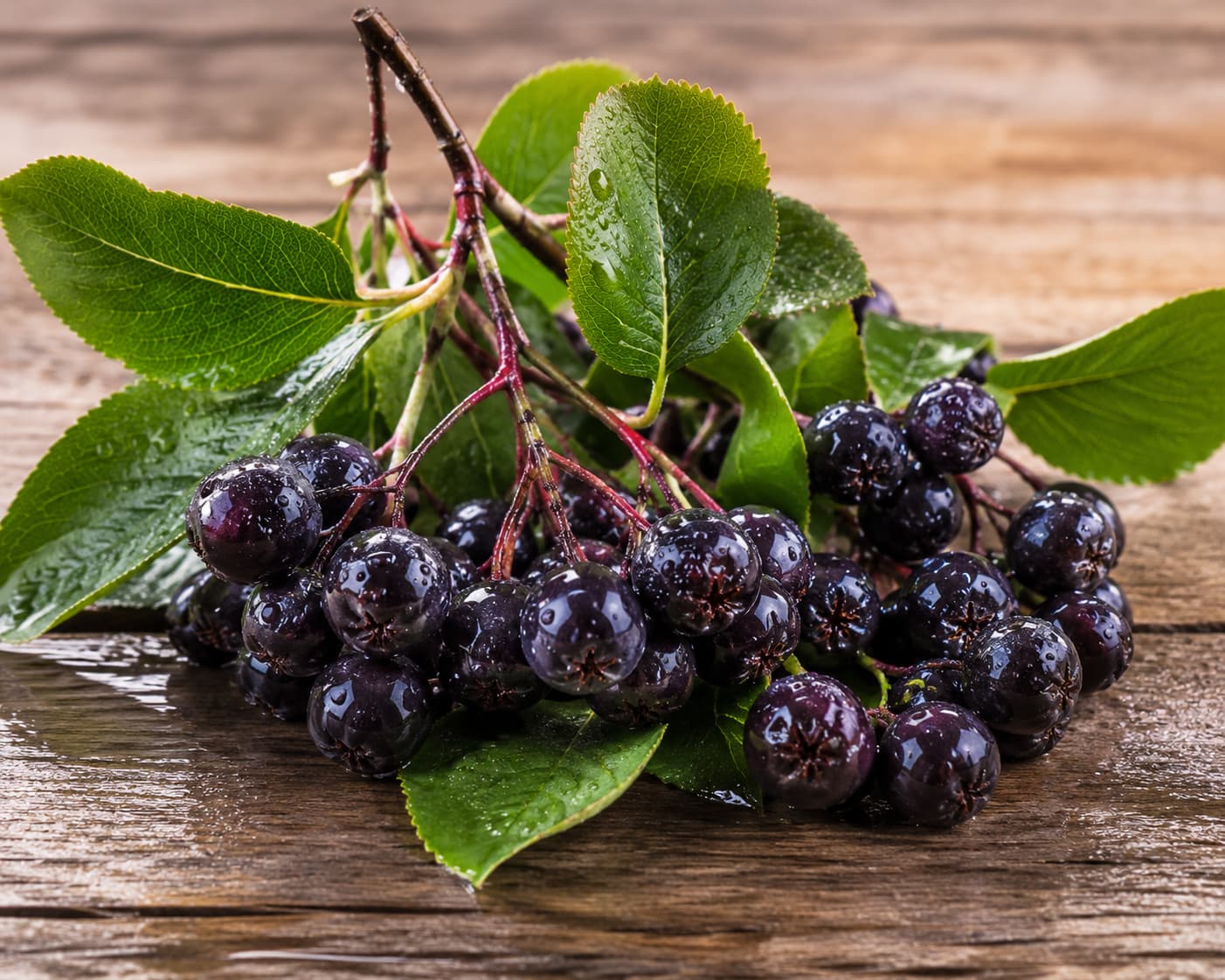
The first taste of a fresh, fully ripe aronia berry can be surprising. Beneath its deep purple-black skin is a flavor that is mildly sweet, tart, earthy, and distinctly fruity. But before those flavors have much time to develop, another characteristic becomes apparent—the berry's powerful astringency.
Astringency is not quite the same thing as bitterness or sourness. It is the dry, puckering sensation that develops in the mouth after eating certain foods. It is similar to the sensation produced by a strong cup of black tea, a dry red wine, or an underripe persimmon.
This characteristic explains why aronia has historically been called the "chokeberry." The name does not mean that the berry causes choking. Rather, it describes the intensely dry, puckering sensation that fresh aronia can produce in the mouth.
Why Is Aronia So Astringent?
Much of aronia's astringency comes from its unusually high concentration of polyphenolic compounds, particularly proanthocyanidins, sometimes called condensed tannins.1These compounds interact with proteins in saliva, reducing its lubricating qualities and producing the familiar dry, tightening sensation in the mouth.
Aronia is particularly rich in anthocyanins, proanthocyanidins, phenolic acids, and other polyphenols. These compounds contribute to its deep color, astringency, and exceptionally high antioxidant capacity in laboratory testing.
Ripeness Makes a Difference
A fully ripe aronia berry generally develops more fruit character and sweetness than an underripe berry, but even ripe fruit retains noticeable astringency. The berries become dark purple to almost black when mature, and their flavor can be more enjoyable when they are allowed to ripen fully rather than being harvested simply because they have developed their dark color.
Even then, aronia is generally not considered a sweet "snacking berry" in the same way as a blueberry. That does not mean aronia is an undesirable food—it simply means that aronia often performs best when combined with other flavors.
Turning Astringency into an Advantage
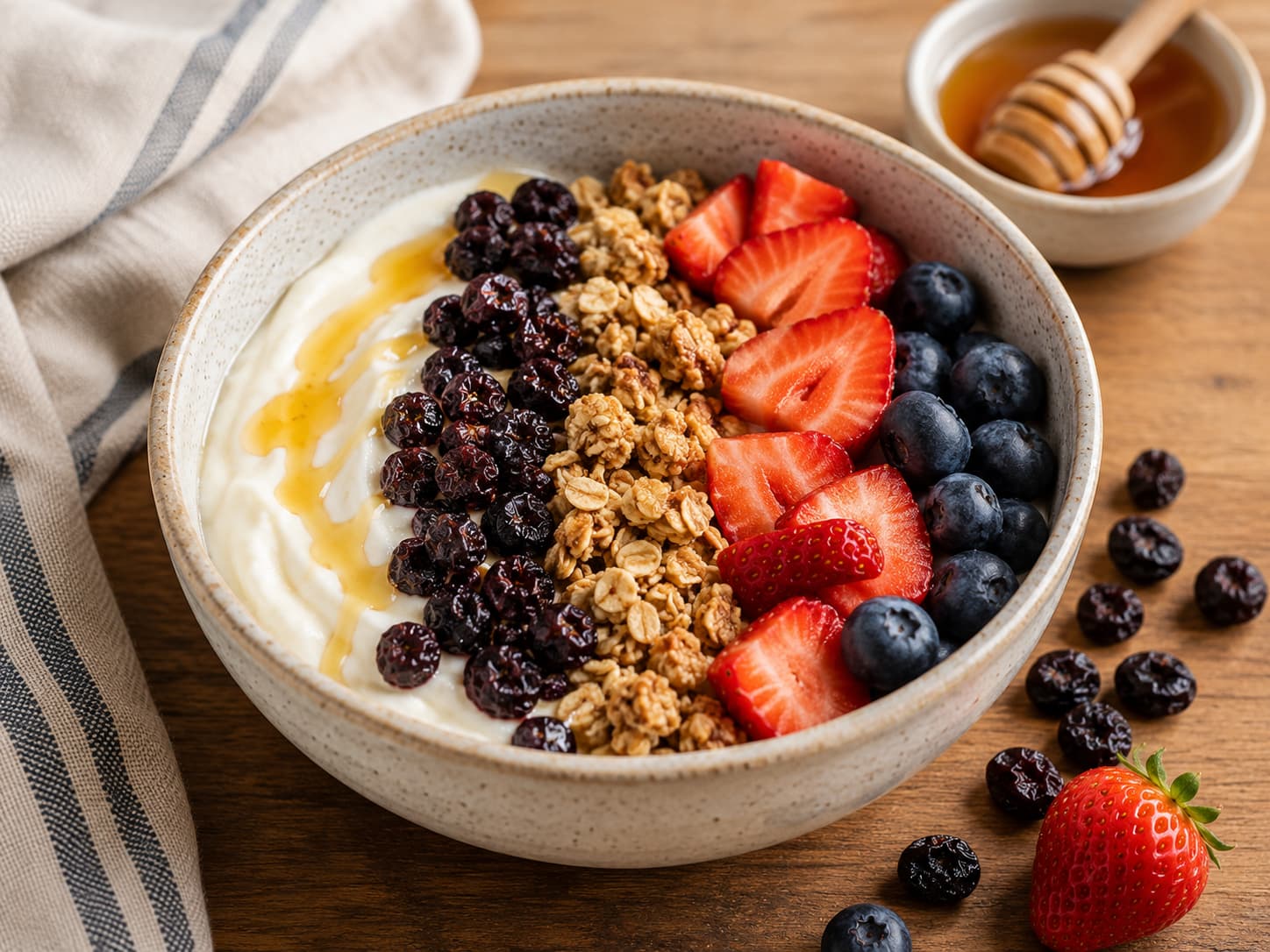
Aronia combines particularly well with naturally sweeter or more acidic fruits. Apples, cherries, grapes, blueberries, raspberries, and other fruits can soften the perception of its astringency while allowing aronia's rich color and distinctive fruit character to remain. This makes aronia particularly well suited for:
- Juices and juice blends
- Smoothies
- Jams and preserves
- Fruit sauces
- Yogurt and dairy products
- Baked goods
- Dried fruit mixtures
- Powders
- Syrups and concentrates
Dairy products can be especially interesting in this regard. Milk proteins are known to interact with the same polyphenolic compounds responsible for astringency, which can reduce how strongly that astringency is perceived.2
An Acquired—but Remarkable—Taste
Fresh aronia may not immediately win people over with sweetness. Its personality is quite different: dark, rich, mildly tart, earthy, and powerfully astringent.
A fresh aronia berry begins with a subtle dark-fruit flavor—mildly sweet, tart, and earthy—and finishes with a pronounced dry, puckering astringency reminiscent of strong tea or dry red wine. That distinctive astringency comes largely from the same polyphenol-rich chemistry that has made aronia such an interesting fruit for scientific and nutritional research.
References
- Gao, G.Y., Slaughter, R., Barrett, E., & Rivera, M. (2024). "Growing Aronia (Aronia melanocarpa) in Ohio." Ohio State University Extension, ANR-0157.View source↩
- Balivo, A., d'Errico, G., & Genovese, A. (2024). "Sensory properties of foods functionalised with milk proteins." Food Hydrocolloids, 147, 109301.View source↩